Workflow Mapping
Identify friction points and key automation triggers.
We analyse your team's workflows to identify repetitive tasks and data flows that can be systemised through automation.

Web
Websites and online stores that load fast, rank and turn visitors into enquiries.
Grow
Ads, search, social and email that bring in the right customers.
Strategy
Know who you sell to, what you offer and why you win, before you spend on growth.
Automate
Systems that capture leads, onboard clients and report on themselves, so your team doesn’t have to.
Industries
All Great Projects Begin With a Conversation.
Company
All Great Projects Begin With a Conversation.
Business Nebula
Learn
Scale Without the Stress.
We automate the manual work between marketing, sales and delivery: CRM pipelines, client onboarding, integrations and AI workflows. A focused CRM automation or onboarding flow typically starts from $2,500.













How We Deliver
Identify friction points and key automation triggers.
We analyse your team's workflows to identify repetitive tasks and data flows that can be systemised through automation.
Design low-code flows across platforms and apps.
We implement automation flows across your CRM, forms, emails and tasks minimising manual touchpoints while improving speed.
Connect systems and ensure ongoing reliability.
We integrate platforms, build error handling, and create documentation so your systems remain reliable and future-ready.
Sales & Lead Workflows
From lead capture to CRM enrichment and email workflows, we automate critical moments to protect pipeline velocity and reduce operational drag.
Internal Ops Automation
We automate tasks across scheduling, file management, onboarding, and client communication minimising repetition and boosting consistency.
Cross-Platform Integration
We bridge platforms through low-code and no-code integrations that unify your systems, reduce silos, and support better-informed decisions.
Related work
Real Estate
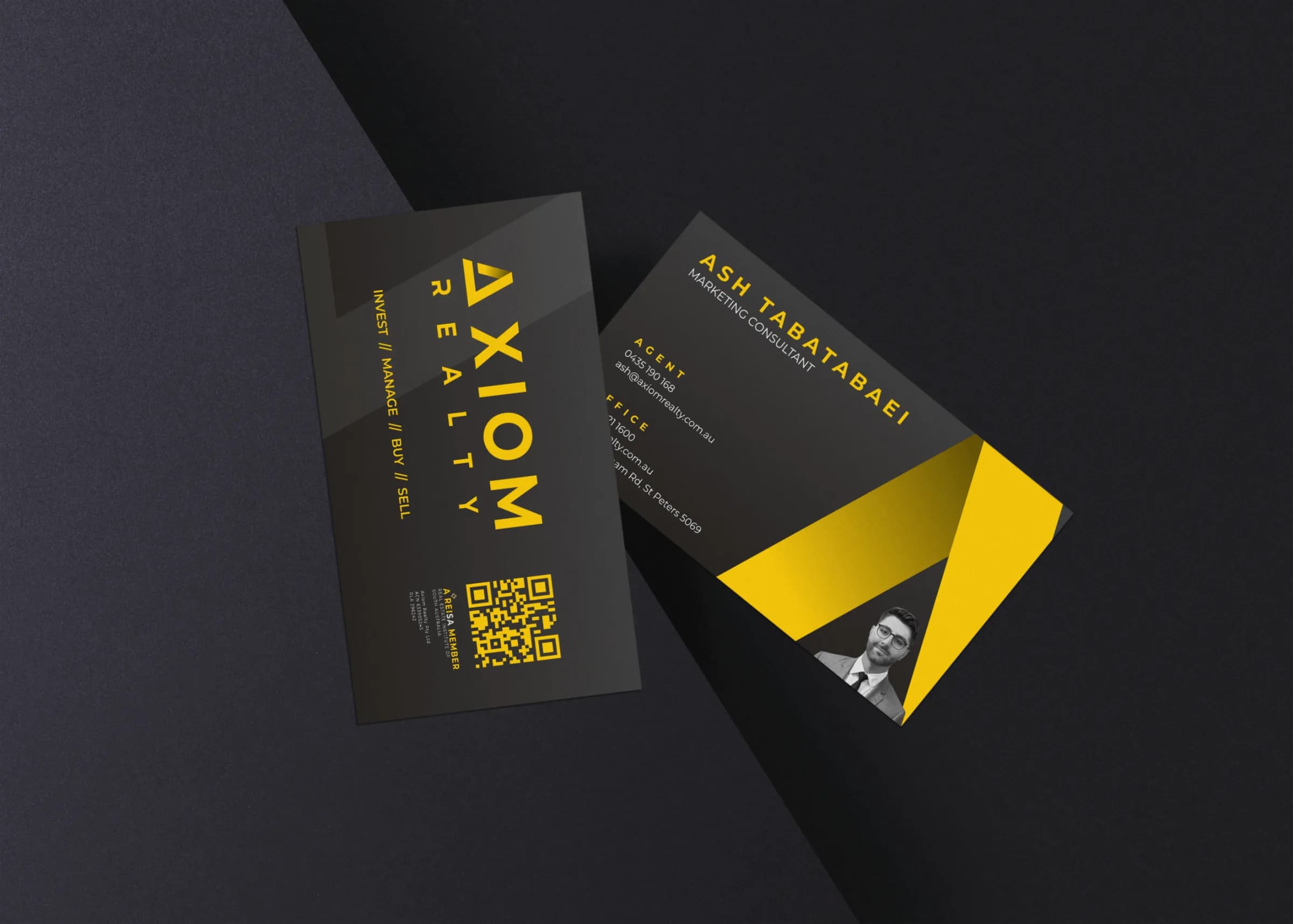
Scaling a Boutique Real Estate Agency Through Integrated Digital Growth Systems.
Defence · GRC
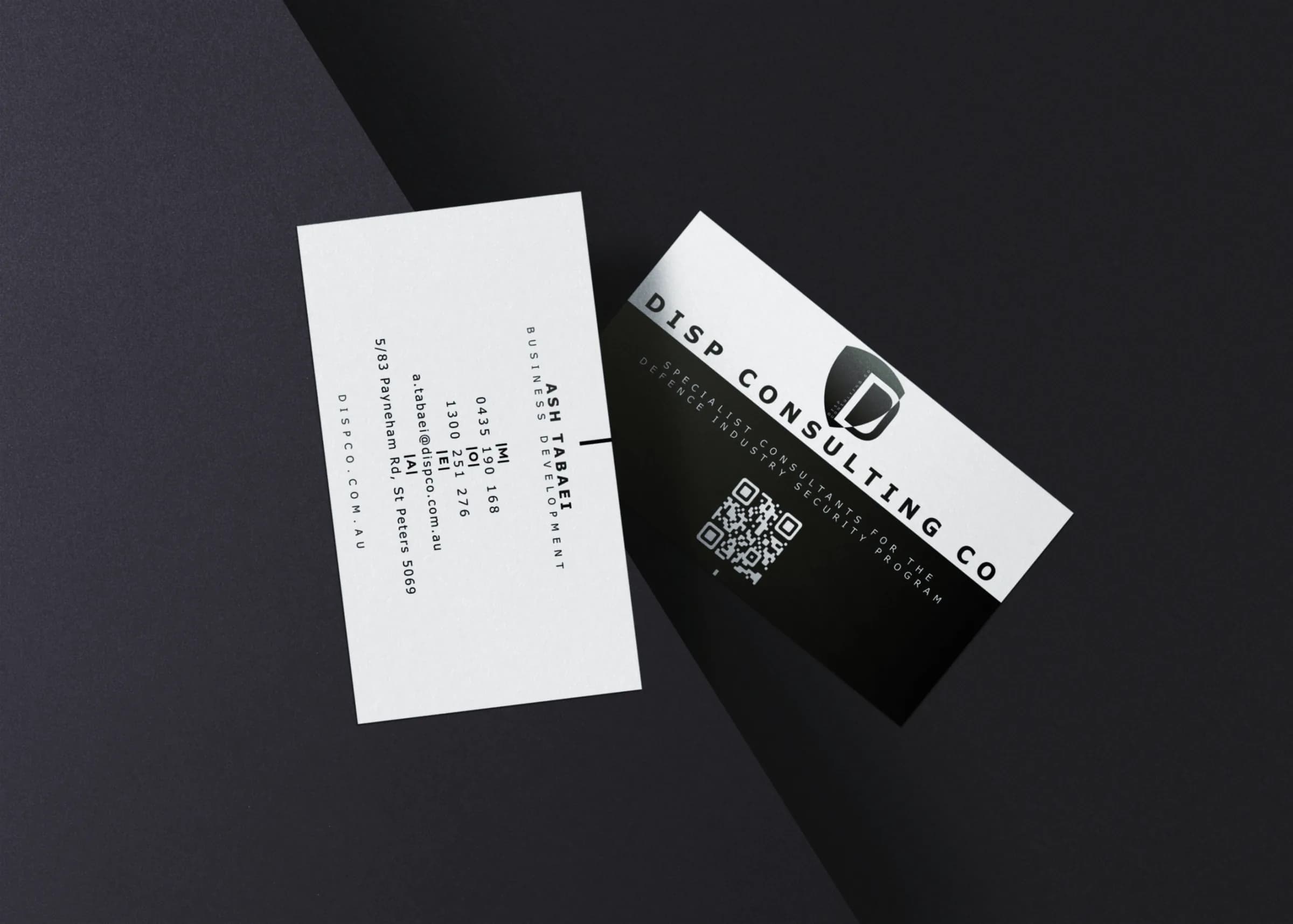
Building a National Defence Compliance Consultancy From Strategy to Scale.
How we work
Process AutomationFrom $2,500A focused CRM automation or onboarding flow.
A complimentary call to talk through the goal and check we are the right fit. We reply to every enquiry within one business day.
Deliverables, timeframes and pricing in writing. Changes to scope are agreed in writing too, before any extra work.
You review each deliverable as it lands. Timelines depend on content, access and approvals, so we agree them up front.
On full payment, the final deliverables named in the proposal are yours. Ongoing support is available if you want it.
Ready When You Are
You don’t need a brief. Bring the business goal and what’s getting in the way, and we’ll come back with a fixed-scope quote before any work starts.
Book a 20-minute consultQuestions About Process Automation
Process automation at Business Nebula covers the design and implementation of automated workflows across the business: CRM and sales pipeline automation, client onboarding systems, data integration between platforms, AI workflow implementation, and operational systems design. The scope ranges from connecting two platforms currently managed manually to building the complete operational infrastructure of a scaling service business.
Any business where growth is creating operational strain is a candidate. The indicators are consistent: manual data entry between systems, leads falling through the gaps between marketing and sales, onboarding that depends on individual team members repeating the same tasks, and reporting that requires pulling data from multiple sources manually. Businesses that want to protect margin as they scale — rather than hiring proportionally to volume — find the most immediate return from automation investment.
A focused CRM automation or onboarding flow typically starts from $2,500. Broader operational system builds covering multiple workflows and platform integrations are scoped and quoted on brief. Unlike ongoing marketing channels, automation is largely a one-time build cost with an ongoing return — the manual time saved compounds from the moment the system goes live.
See published starting prices for every service line.
Off-the-shelf automation tools are capable of connecting platforms for simple, linear workflows. The limitation appears at complexity: multi-step logic, error handling, conditional routing, and cross-platform data integrity require more structured implementation than drag-and-drop builders reliably support. The more common problem is that businesses build automations reactively, solving individual pain points without a view of the whole system. Business Nebula approaches automation from operational systems design first, so the automations built are part of a coherent infrastructure rather than a collection of disconnected workarounds.
Automation closes the operational gap that every other channel opens. Digital marketing generates leads — automation ensures they are captured, routed, and followed up without manual effort. Web development creates the forms and integration points — automation connects them to the CRM and communication systems behind the site. Market strategy defines the operational model — automation builds the systems that execute it at scale. Without automation, growth in every other channel creates proportional operational overhead.
Business Nebula approaches automation from a systems design perspective rather than a tool-first perspective. The question is not which platforms can be connected but what the business needs its operations to do, and what is the cleanest way to build that. Platform selection follows from the brief, not the other way around. Because Business Nebula operates across strategy, marketing, and web development, automation recommendations reflect a view of the full operational and commercial picture — ensuring that what is built is aligned with how the business acquires clients, delivers services, and plans to grow.
What’s in This Service Line
Where We Work
Process automation operates beneath the commercial and creative surface of the business. It is the infrastructure that determines whether growth is sustainable or whether every increase in revenue brings a proportional increase in operational strain. As Digital Marketing generates more leads, CRM and sales automation ensures they are handled consistently. As Web Development drives more enquiries, onboarding automation ensures new clients are welcomed without manual coordination. As Market Strategy expands into new segments, data integrations ensure operational systems keep pace.
For businesses investing across multiple service pillars, automation is what makes scale viable. The margin gains from removing manual overhead compound across every channel that generates activity. A business running active digital marketing, managing social content, and executing on a market strategy simultaneously cannot sustain growth with an operational layer running on manual effort. Process automation is not a productivity tool; it is a commercial necessity at scale.
The Tools Behind the Work.